Injury Recovery & Return to Activity
When pain or injury changes how you move,
recovery is more than waiting for it to feel better.
Return Therapy provides individualized hands-on treatment, movement care, and practical guidance for active people working through pain, injury, and the process of getting back to what they do.
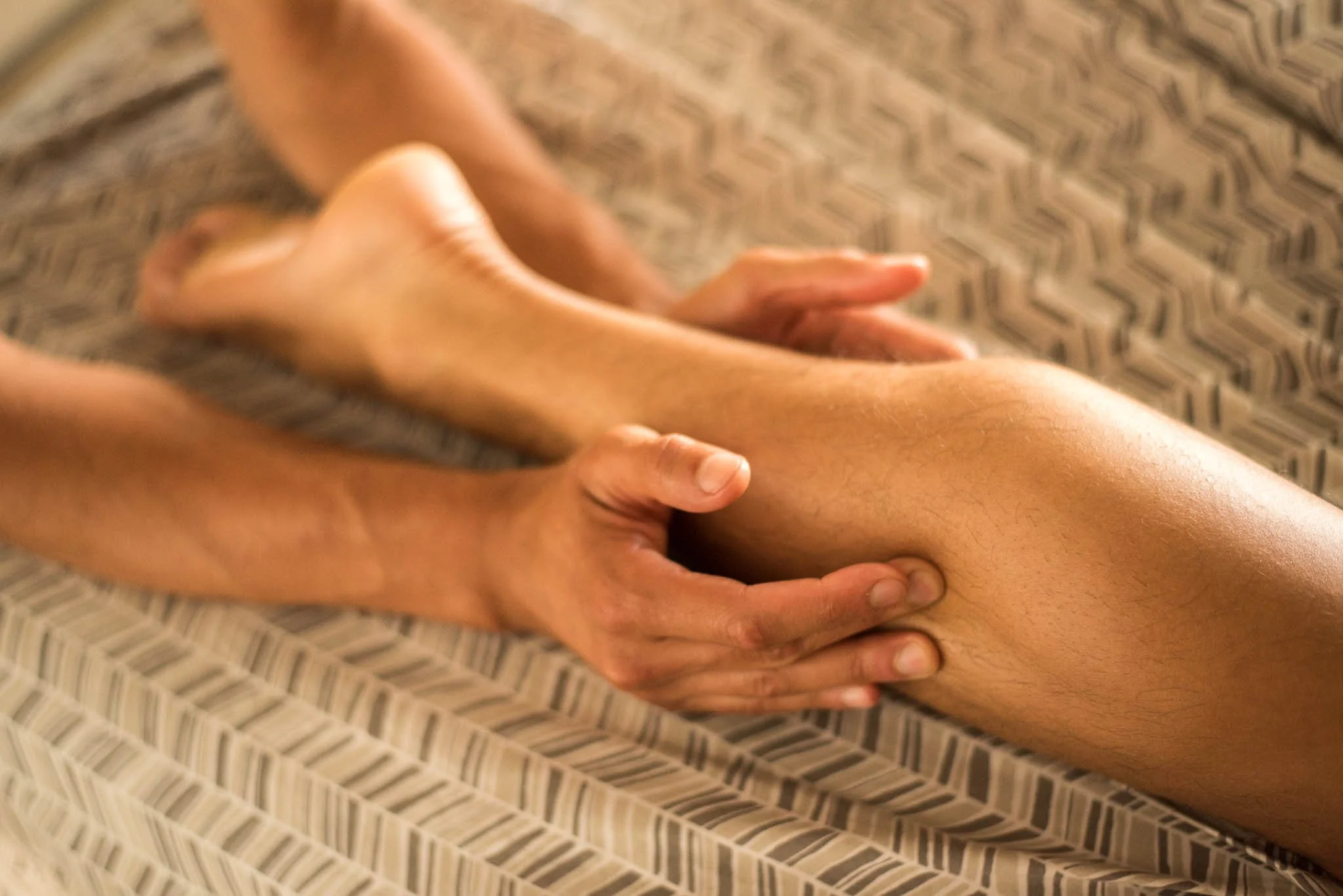
Recovery is about getting back to what you do
An injury can change more than how one area feels. It can change how you move, train, work, recover, and approach the activities that matter to you.
The goal of recovery isn’t simply to make symptoms disappear. It’s to understand what you’re dealing with, address what can be addressed, and gradually rebuild your ability to move and participate in the activities you care about.
Sometimes hands-on treatment is useful. Sometimes movement work or changes to training are more important. And sometimes the right next step is evaluation by a physical therapist, physician, or another qualified provider.
Good care starts with understanding which situation you’re in.
Where hands-on treatment can help
Reduce the physical burden
Restore comfortable movement
Support your recovery
Know when to refer
Targeted hands-on treatment can address areas of muscular tension, soreness, or restricted movement that are affecting how you move.Targeted hands-on treatment can address areas of muscular tension, soreness, or restricted movement that are affecting how you move.
Mobility and movement work can help you explore what feels limited and develop strategies for moving more comfortably.
Treatment can be adjusted as your activity changes, from managing symptoms during a difficult period to supporting your return to training.
Not every problem belongs in a massage session. When your situation calls for assessment or treatment outside the scope of massage therapy, the appropriate next step may be another provider.
What brings people in during recovery
Pain that’s changing how you move
When discomfort is affecting training, work, recreation, or everyday movement.
Persistent tightness or restricted movement
When something continues to feel limited even after the initial problem has settled.
Returning to exercise
When you’re ready to resume activity but aren’t sure how to approach the transition.
An injury that’s limiting activity
When you’ve had to modify or stop something you normally do.
Recurring problems
When the same issue keeps returning as training or activity increases.
Recovery alongside other care
When you’re already working with a PT, physician, trainer, or other provider and want hands-on treatment to complement that process.
Getting Back to Activity is A Process
Feeling better and being ready for everything you used to do are not necessarily the same thing.
As you return to activity, the demands on your body increase again. Running, lifting, cycling, dancing, playing a sport, or simply returning to your normal routine can expose limitations that weren’t obvious while you were resting.
A gradual return gives you an opportunity to pay attention to how your body responds as those demands increase.
Return Therapy can provide hands-on treatment and movement-focused guidance along the way, while coordinating with or referring to other providers when additional evaluation or rehabilitation is appropriate.
Treatment changes as you recover
Early recovery
Focus on what is currently limiting comfortable movement and activity.
↓
Building Capacity
As symptoms settle, treatment can shift toward mobility, movement, and supporting increased activity.
↓
Returning to Training
Treatment becomes more targeted as you resume the specific demands of your activity.
↓
Maintaining Progress
Once you’re moving well, sessions can become less about managing a problem and more about supporting your ongoing training and recovery.
Sometimes massage isn’t the next step
Massage therapy isn’t a substitute for medical diagnosis, physical therapy, or other care when those are indicated.
If you’re dealing with a new, significant, worsening, or unexplained problem, an appropriate medical or rehabilitation evaluation may be the better starting point.
Return Therapy can help you understand whether hands-on treatment makes sense for your situation and, when appropriate, recommend seeking care from another provider.
Not sure where you fit in the process?
You don’t need to arrive knowing exactly what’s wrong or which treatment you need.
A consultation gives you time to explain what’s happening, discuss your activity and goals, and determine whether Return Therapy is an appropriate next step.
Sports Massage & Rehabilitation in Brooklyn & Manhattan
Get back to what Matters most
Pain or injury doesn’t have to be the endpoint of your activity.
Start by understanding what’s getting in the way, what treatment can address, and what the next step should be.